
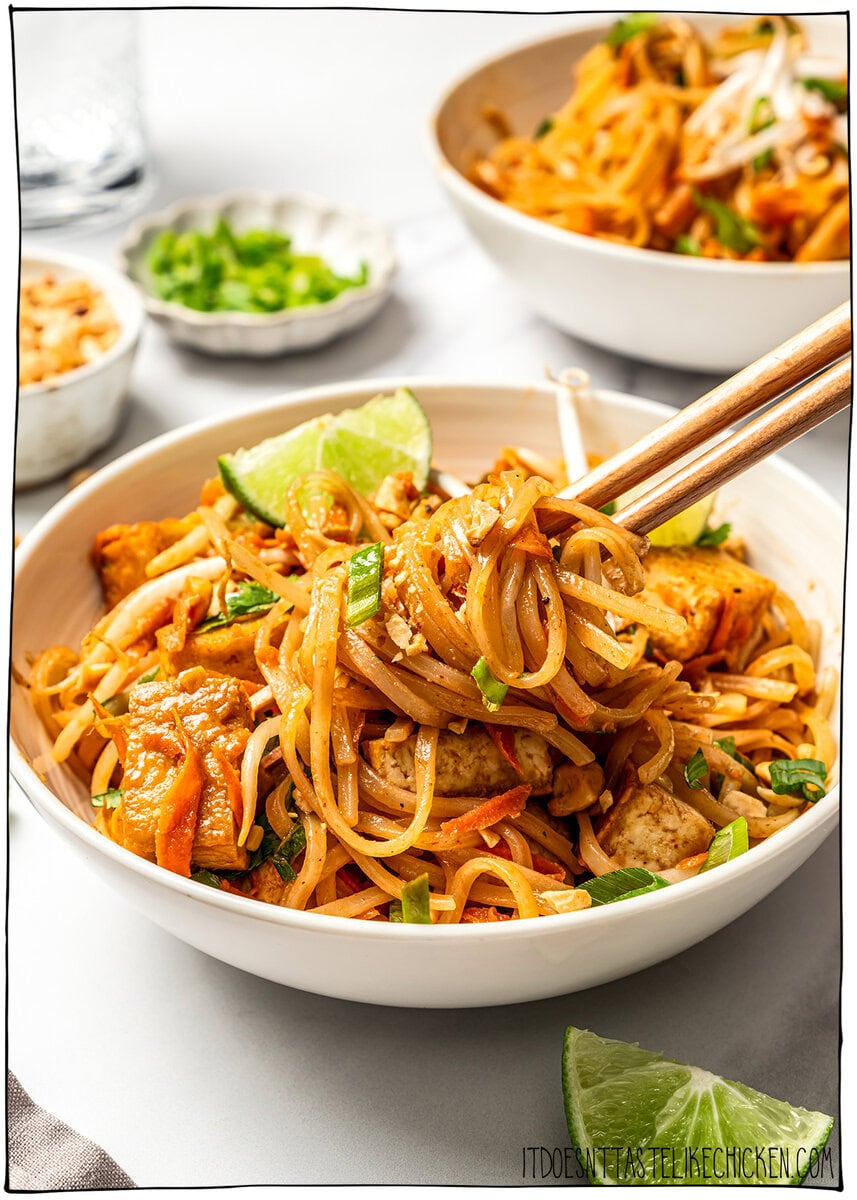
This tofu pad thai is a vegan take on the classic Thai noodle dish, made with tender rice noodles, golden tofu, crunchy veggies, and a tangy-sweet tamarind sauce. The sauce is perfectly balanced: not too sweet, not too salty, and packed with that signature pad thai flavor. It’s fresh, satisfying, and way easier to make at home than you might think.
Serve these rice paper dumplings with tofu pad thai for an easy vegan takeout-style dinner.
Friends, if you’ve been let down by homemade pad thai before, this recipe is about to change everything. The secret? Real tamarind. So many recipes swap it out for lime juice, but tamarind is what gives pad thai that signature sweet-sour, tangy depth that makes it completely irresistible. Skip it and you’ll wonder why your pad thai tastes flat – use it and you’ll wonder why you ever ordered takeout. The tofu gets perfectly golden, the noodles soak up every drop of that incredible sauce, and the whole thing comes together in about 35 minutes. I genuinely cannot stop making this.
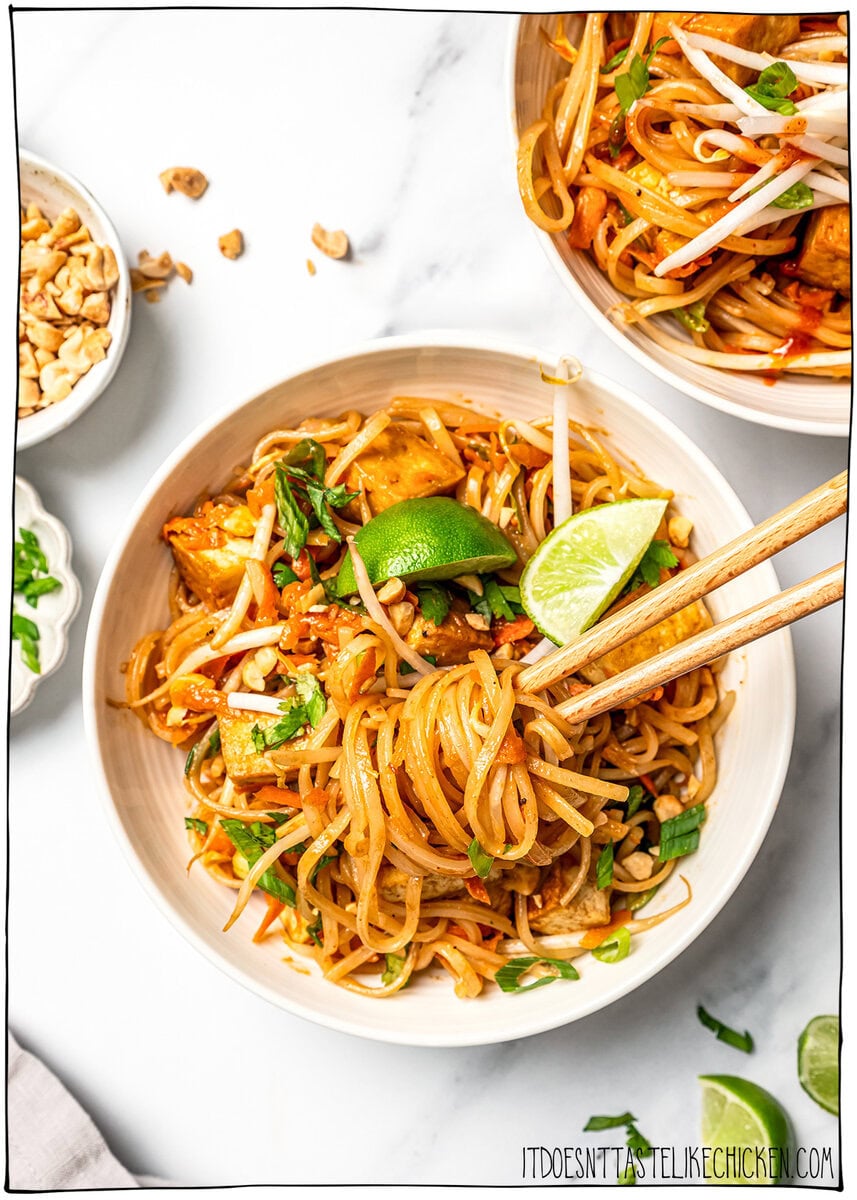
Why This Tofu Pad Thai Will Ruin You for Takeout Forever
- It’s vegan: Restaurant pad thai is typically made with fish sauce, so even if you order it with tofu, you can’t be sure it’s vegan. When you make it at home, you know exactly what’s in it!
- Perfectly balanced sauce: Tangy tamarind, salty soy sauce, lime, and a touch of sweetness create that classic pad thai flavor.
- Golden crispy tofu: Pan-fried tofu adds protein and the best texture.
- Quick enough for weeknights: Once the ingredients are prepped, everything cooks super fast.
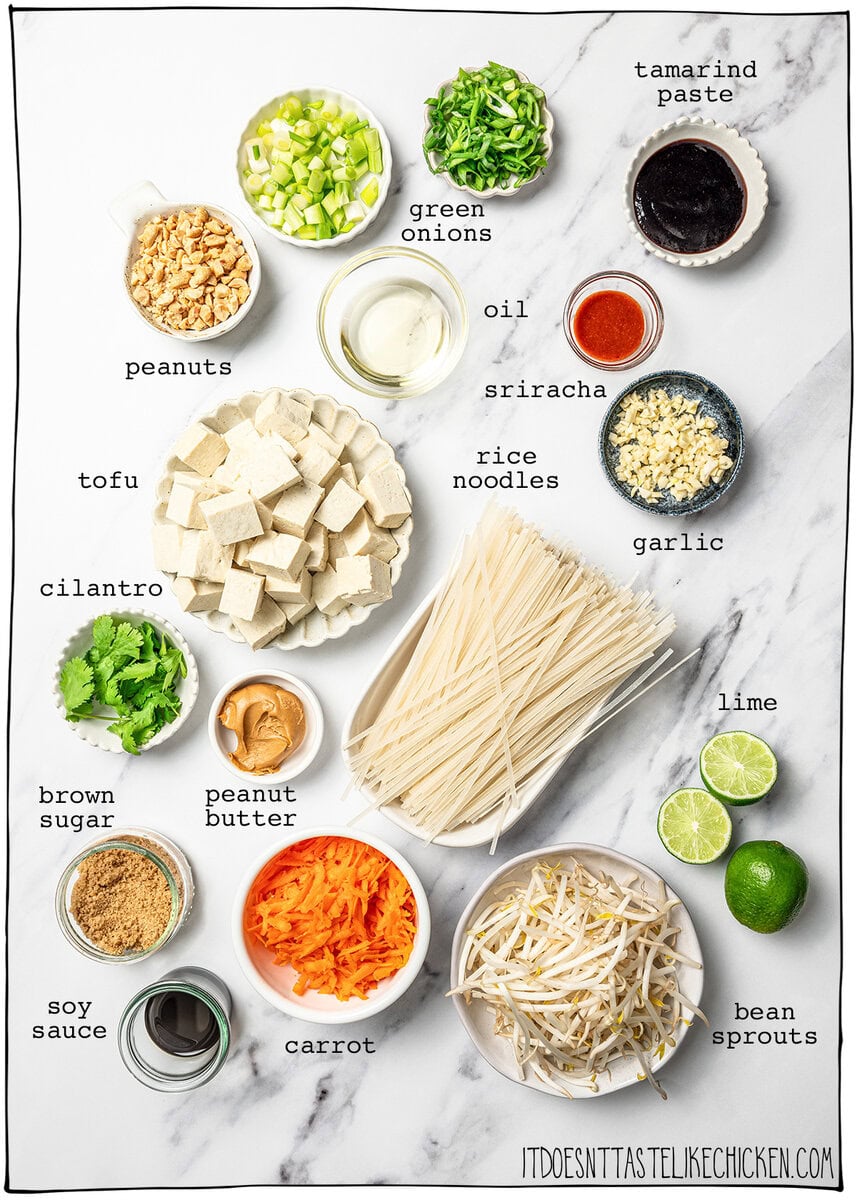
Ingredients for Tofu Pad Thai
Pad Thai Sauce
- Tamarind paste: The most important ingredient for authentic pad thai flavor. It’s sweet, tangy, and slightly fruity. Find it in the Asian foods aisle of most well-stocked grocery stores, at an Asian grocery store, or order it online.
- Brown sugar: Balances the tanginess of the tamarind.
- Soy sauce: Adds salty umami flavor.
- Lime juice: Brightens everything up.
- Sriracha or chili garlic sauce (optional): For a little heat.
- Natural peanut butter (optional): This isn’t traditional, but the peanut butter adds a nice richness and creaminess and helps the sauce cling to the noodles, so I love it.
Tofu & Noodles
- Flat rice noodles: The classic noodle for pad thai. Find them in the Asian foods aisle of most grocery stores or online.
- Extra-firm tofu: Drain it and cut it into cubes.
- Light oil: Like canola or vegetable oil.
- Veggies: Carrots, green onions, garlic, and bean sprouts. These are the classic pad thai vegetables. The carrots add color and crunch, the bean sprouts stay nice and crisp, and the green onions add a fresh bite.
For Serving
- Lime wedges: For squeezing over everything before eating.
- Roasted peanuts: Roughly chop these to sprinkle on top.
- Fresh cilantro: If you’re not a cilantro fan, you can leave it out!
How to Make Tofu Pad Thai
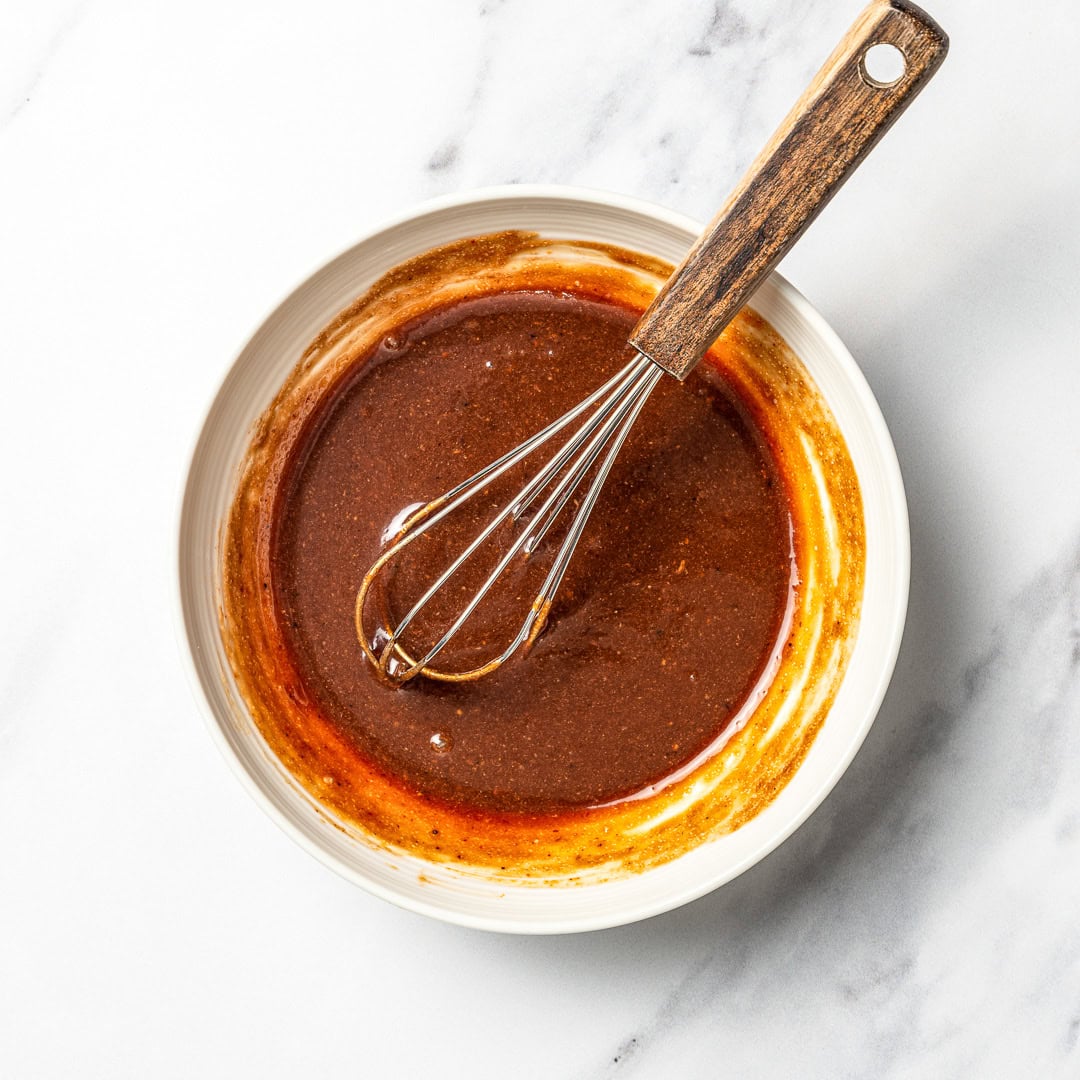
- Make the Sauce: Whisk together the tamarind paste, brown sugar, soy sauce, lime juice, sriracha, and peanut butter if using.
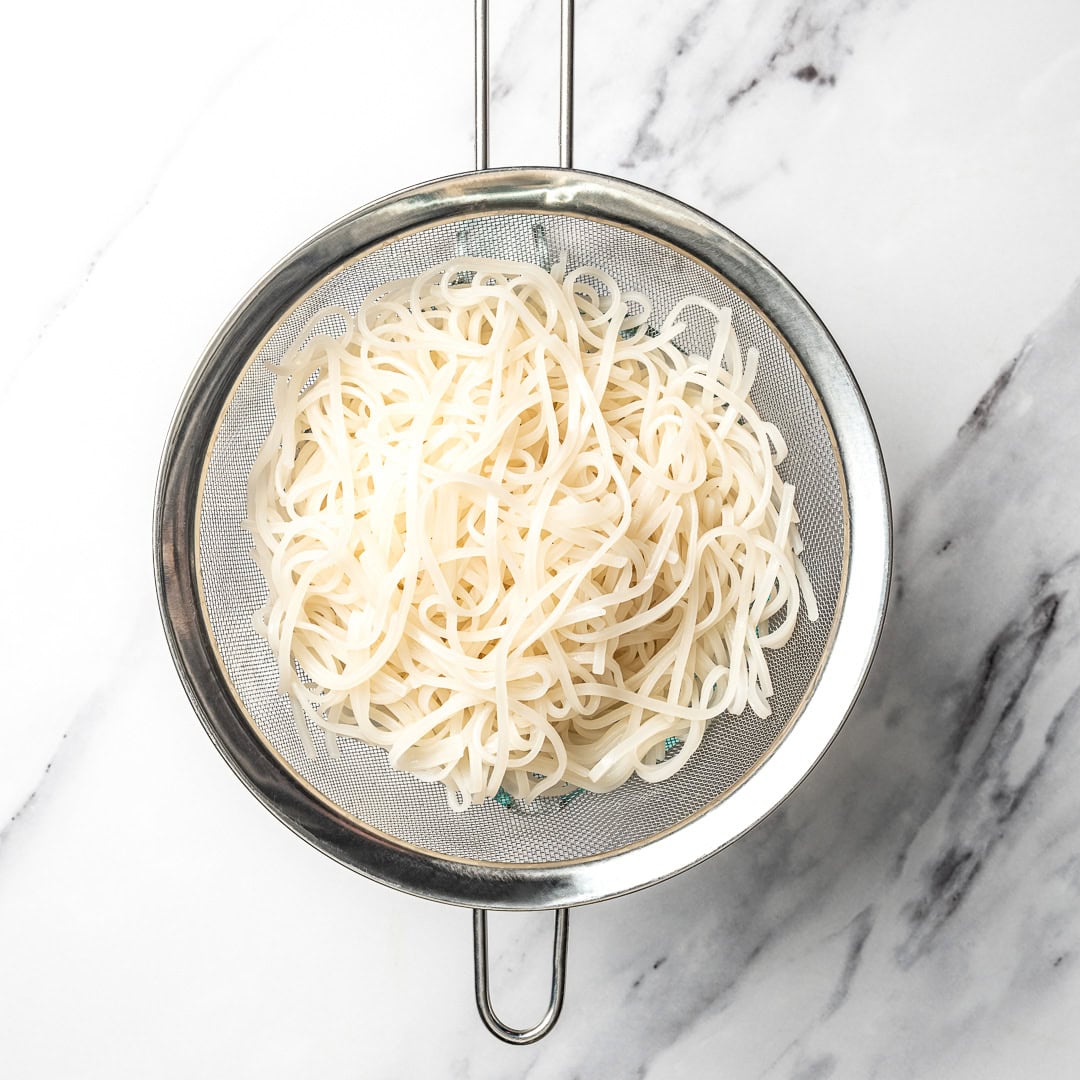
- Cook the Noodles: Cook the rice noodles according to the package directions until just tender. Slightly undercooking them is best because they’ll finish cooking in the pan. Drain and rinse briefly with cold water.
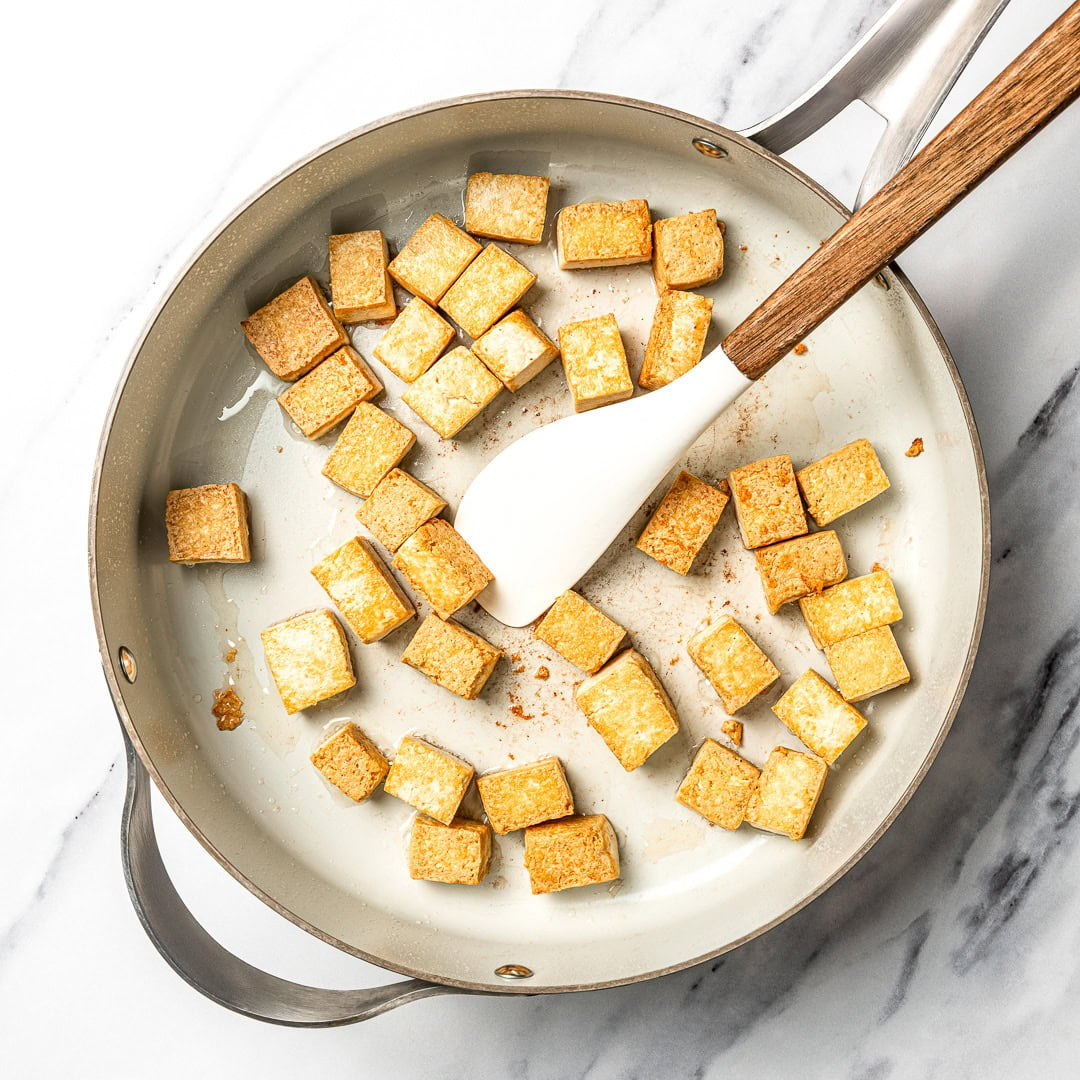
- Cook the Tofu: Heat oil in a large skillet or wok over medium-high heat. Add the tofu and cook until golden and lightly crisp on all sides, about 6 to 8 minutes. Transfer to a plate.
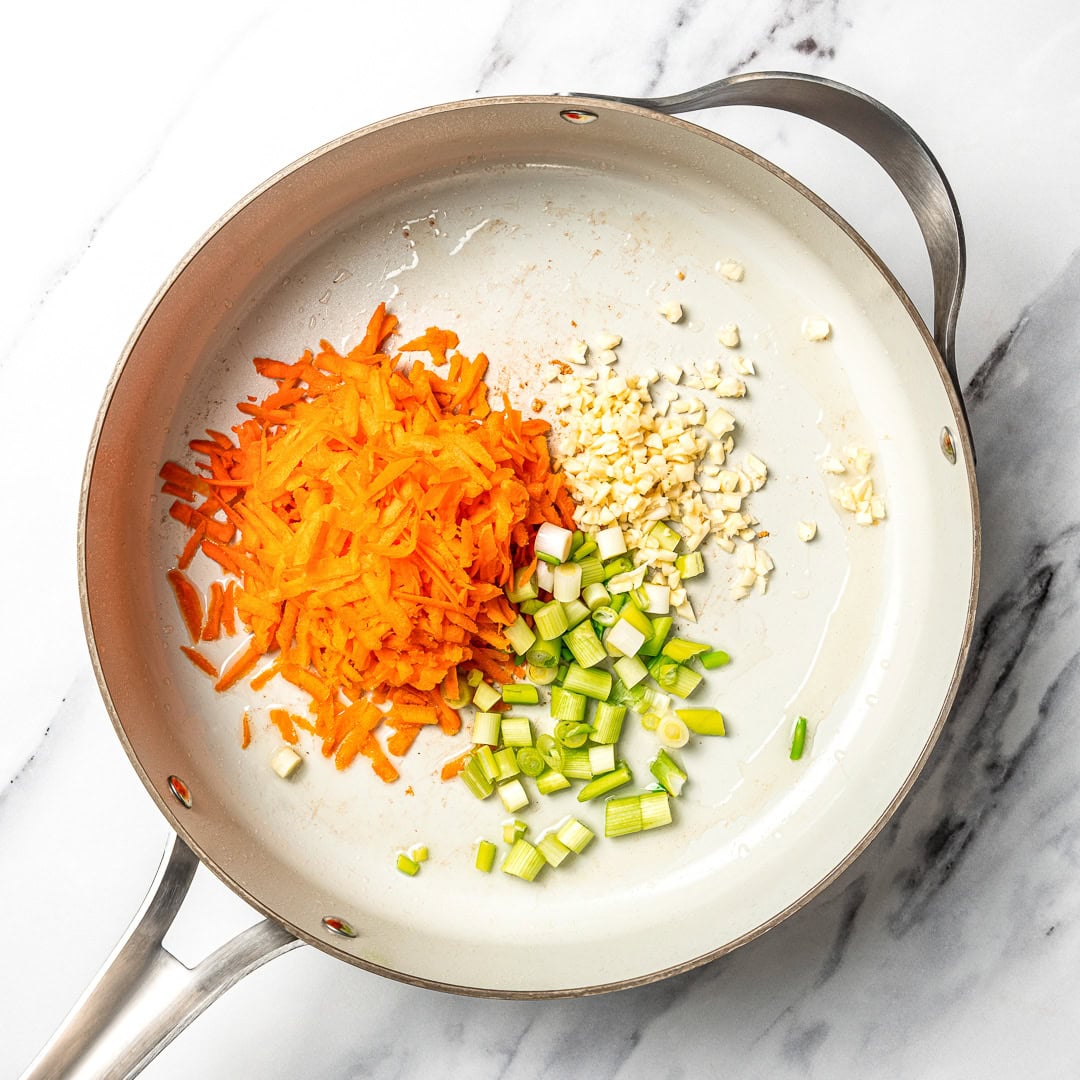
- Cook the Vegetables: Add more oil to the skillet, then cook the carrot, white and light green parts of the green onions, and garlic for 1 to 2 minutes until fragrant.
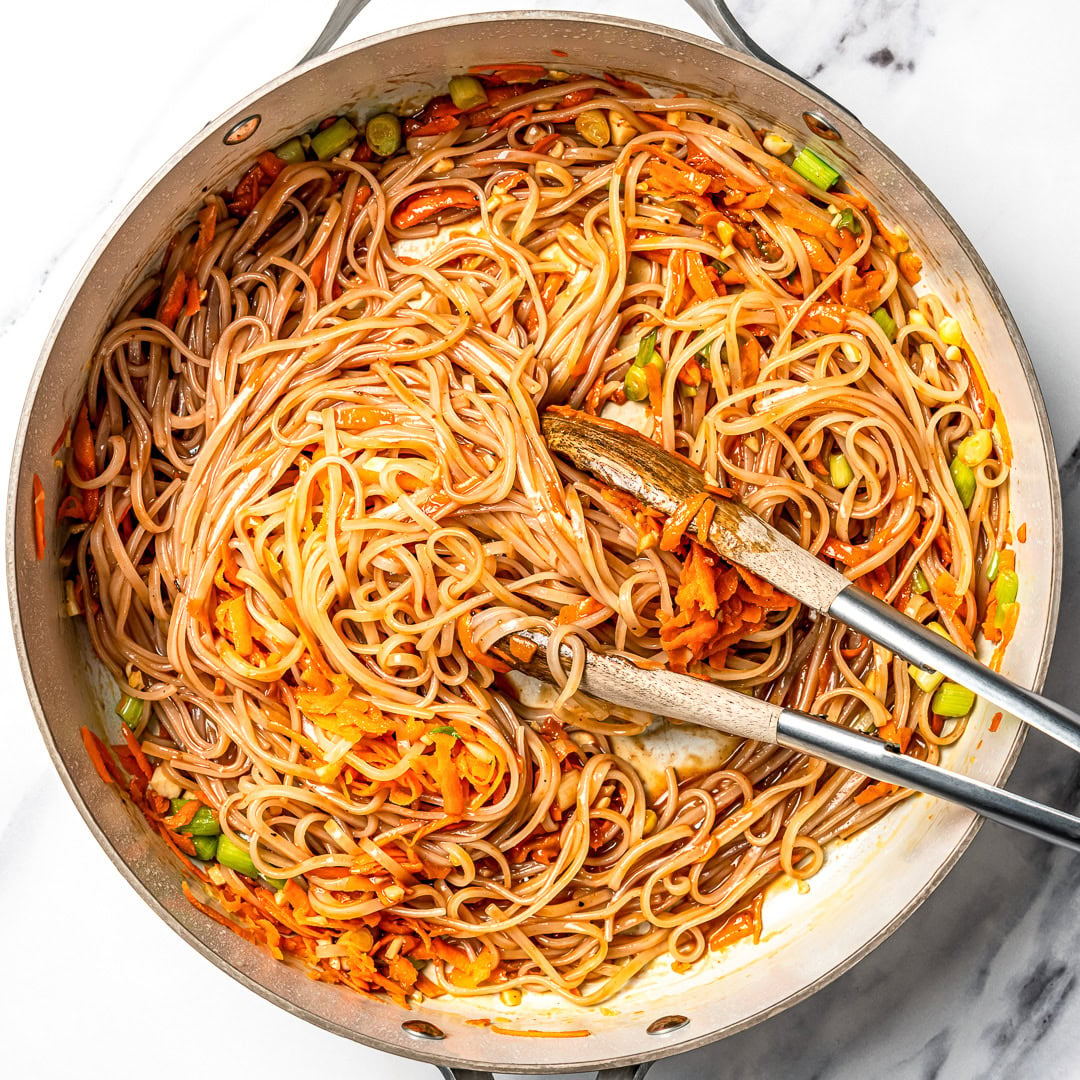
- Add the Noodles and Sauce: Add the noodles to the skillet and pour over the sauce. Toss gently for a minute or two until everything is coated and glossy. Add a splash of water if needed to loosen the noodles.
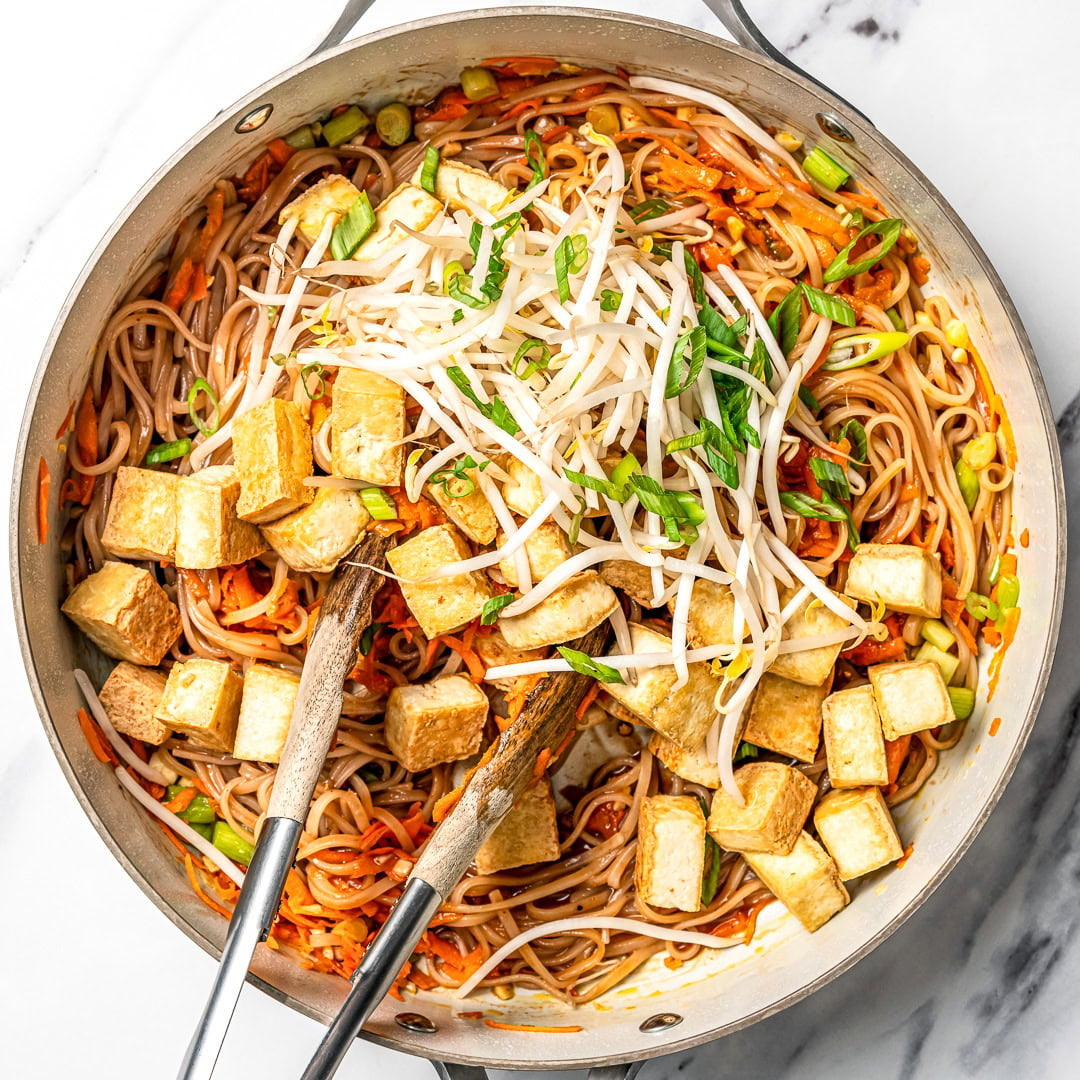
- Finish the Pad Thai: Add the tofu, bean sprouts, and dark green onion tops. Toss briefly until warmed through, but don’t overcook the sprouts, they should stay crisp. Top with peanuts, cilantro, and plenty of fresh lime juice.
Tips and Variations
- Prep everything first: Pad thai cooks quickly once you start, so it helps to have everything chopped and ready to go.
- Use real tamarind paste: Tamarind is what gives pad thai its signature flavor, so don’t skip it! Avoid pre-made tamarind sauces with lots of added sugar.
- Oil-free option: Bake or air fry the tofu and sauté the vegetables with splashes of water instead of oil.
- Add other veggies: The veggies I use here are the traditional ones found in restaurant pad thai, but you can definitely swap in bell pepper, cabbage, snow peas, mushrooms, or other vegetables that you have on hand.
- No need to press the tofu: just drain, cut, and pan-fry for the perfect texture.
- Watch your noodles carefully: rice noodles cook much faster than wheat pasta, and overcooked noodles turn mushy fast. When in doubt, pull them a minute early since they’ll finish cooking in the pan. If they stick together in the strainer, just rinse them with cool water and toss to loosen.
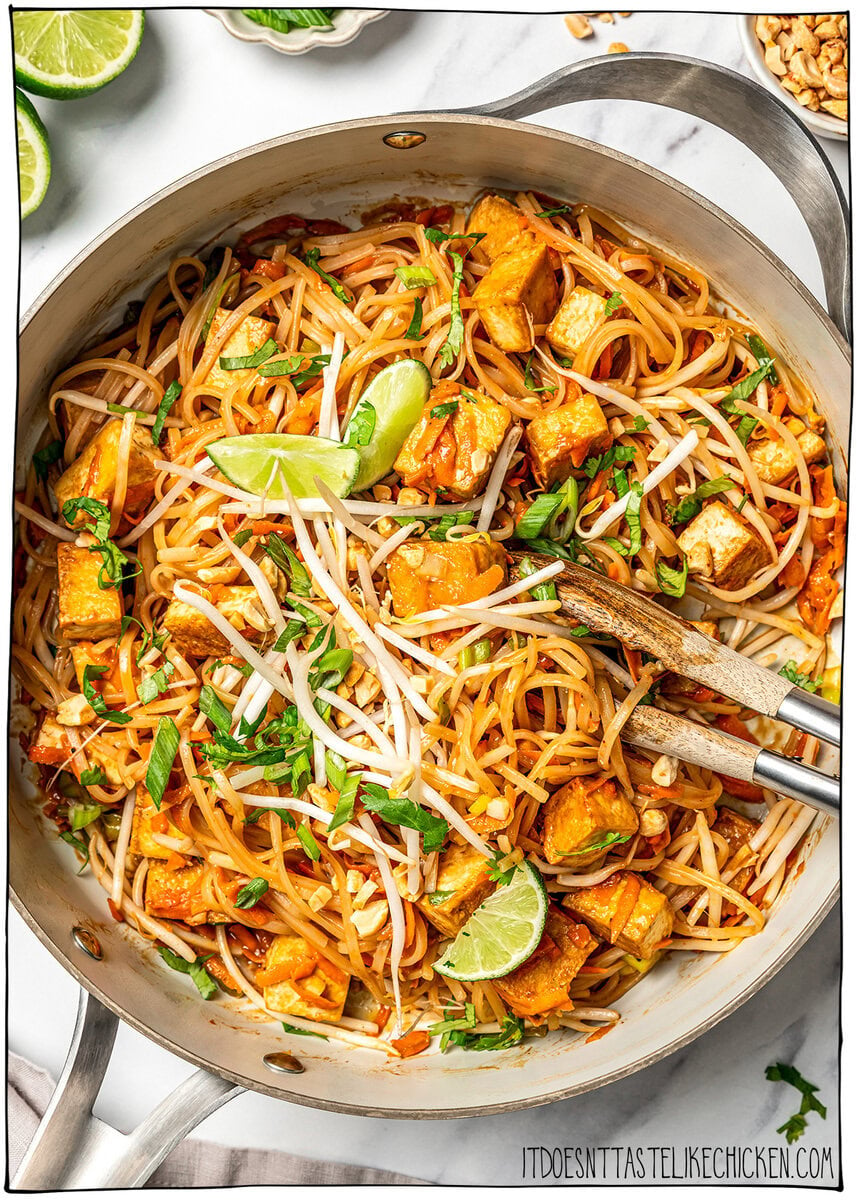
How to Serve Tofu Pad Thai
This tofu pad thai is a complete meal on its own, but it’s also wonderful as part of a bigger spread. Try serving it alongside:
Storage and Reheating
- Fridge: Store leftover tofu pad thai in an airtight container for up to 3 days.
- Reheat: Warm gently in a skillet with a splash of water to loosen the noodles, or microwave in short bursts.
(click stars to vote)
Tofu Pad Thai (Better Than Takeout!)
This tofu pad thai is a vegan take on the classic Thai noodle dish, made with tender rice noodles, golden tofu, crunchy veggies, and a tangy-sweet tamarind sauce. The sauce is perfectly balanced: not too sweet, not too salty, and packed with that signature pad thai flavor. It’s fresh, satisfying, and way easier to make at home than you might think.
Servings:
Instructions
-
Make the sauce: In a small bowl, whisk together the tamarind paste, brown sugar, soy sauce, lime juice, sriracha (if using), and peanut butter (if using). Set aside.
-
Cook the noodles: Cook the rice noodles according to package directions until just tender. It is best to slightly undercook them, as they will finish cooking in the pan. Drain and rinse briefly with cold water to stop the cooking, then set aside.
-
Cook the tofu: Heat 1 tablespoon of oil in a large skillet or wok over medium-high heat. Add the tofu and cook for 6-8 minutes, turning occasionally, until golden and lightly crisp. Transfer to a plate and set aside.
-
Cook the vegetables: Add the remaining 1 tablespoon of oil to the skillet. Add the shredded carrot, the white and light green parts of the green onions, and the garlic. Cook for 1-2 minutes, stirring often, until fragrant and the carrots begin to soften.
-
Add the noodles and sauce: Add the cooked noodles to the skillet and pour over the sauce. Toss gently for 1-2 minutes, until the noodles are evenly coated and the sauce thickens slightly. If the noodles look dry, add 1-2 tablespoons of water to loosen.
-
Finish the pad thai: Add the cooked tofu, bean sprouts, and dark green parts of the green onions. Toss for about 1 minute, just until everything is heated through. Do not overcook the bean sprouts, they should stay a little crisp.
-
Serve: Divide into bowls and top with chopped peanuts, cilantro, and a squeeze of fresh lime juice.
Notes
Using tamarind block or pulp: If you are using tamarind block or pulp instead of prepared tamarind paste, make a quick paste first. Add 3 tablespoons (45 g) tamarind pulp to a small bowl and cover with 4 tablespoons hot water (60 mL). Let sit for 5 to 10 minutes, then mash with a fork until softened. Strain through a fine sieve, pressing well to extract the thick liquid. Discard the fibers and seeds. You should have about 3 tablespoons tamarind paste.
Oil-free option: For an oil-free version, bake or air fry the tofu instead of pan-frying it. Sauté the vegetables with a splash of water as needed. The texture will be a little different, but still delicious.
Storage: Pad thai is best enjoyed fresh, but leftovers can be stored in an airtight container in the fridge for up to 3 days. I do not recommend freezing this recipe, as the noodles can become mushy once thawed.
Reheating: Reheat gently in a skillet with a splash of water to loosen the noodles, or microwave in short bursts.
Vegetable options: Feel free to swap in other quick-cooking vegetables you have on hand, such as thinly sliced bell pepper, shredded cabbage, snow peas, or mushrooms. Just keep the total amount about the same so the noodles stay saucy.
Nutrition
Serving: 1 serving (recipe makes 4 servings) | Calories: 364kcal | Carbohydrates: 29g | Protein: 21g | Fat: 22g | Saturated Fat: 3g | Polyunsaturated Fat: 6g | Monounsaturated Fat: 5g | Trans Fat: 0.04g | Sodium: 724mg | Potassium: 541mg | Fiber: 4g | Sugar: 17g | Vitamin A: 3218IU | Vitamin C: 17mg | Calcium: 135mg | Iron: 4mg
⭐ Did You Make This Recipe?
I’d love if you left a rating and comment, it helps others find the recipe and makes my day! 💕
Trending Products

Truvani Vegan Protein Powder | 20g ...

Anthony’s Premium Pea Protein...

Dymatize Vegan Plant Protein, Smoot...

Clean Desserts: Delicious No-Bake V...

SNACKING BARS COOKBOOK: Mouthwateri...

CLIF Nut Butter Bar – Chocola...

Energy Bar Recipes: Easy and Tasty ...

My Carob Bar Recipes

The PLANT ADVANTAGE High-Protein Ba...